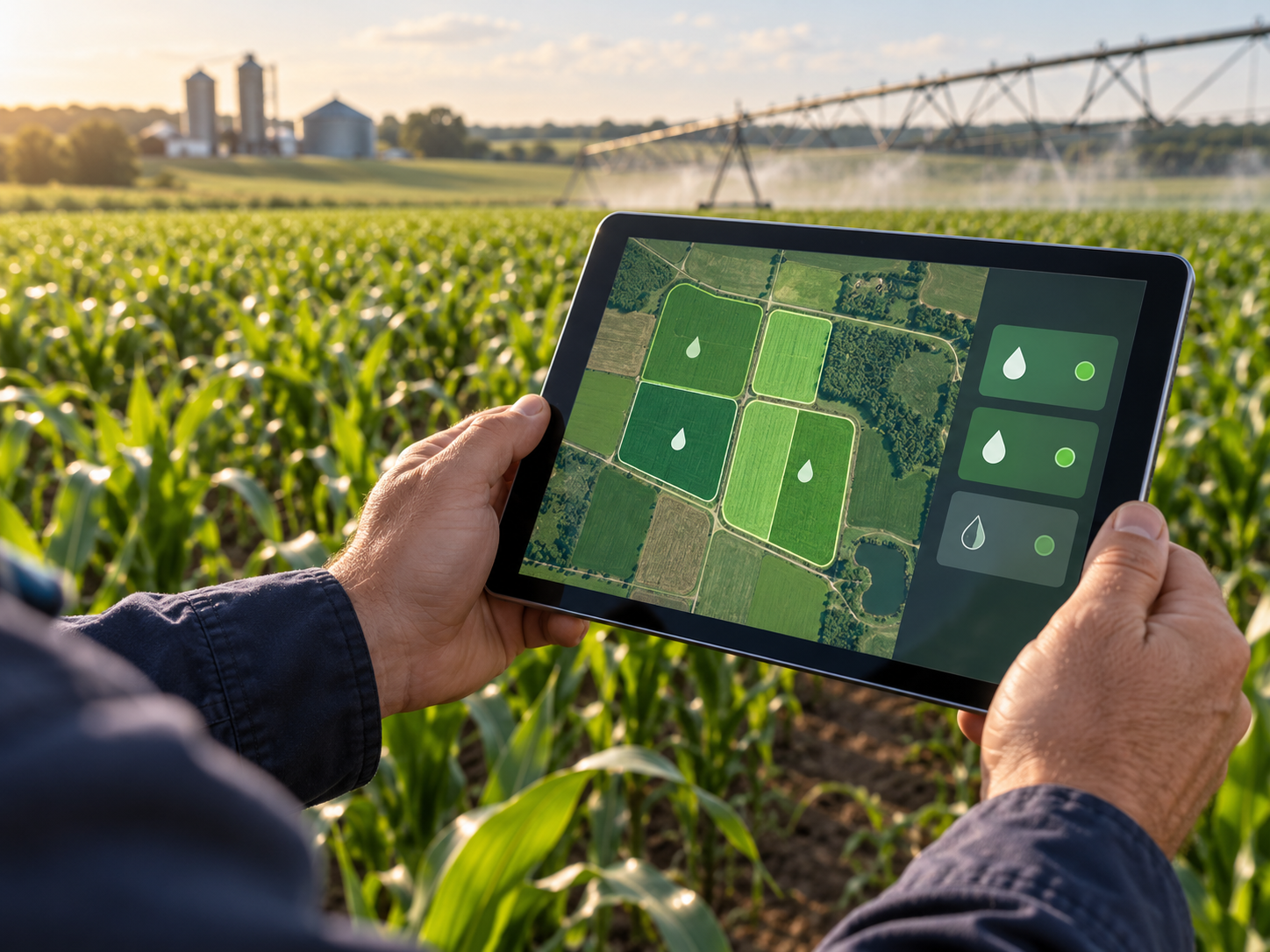
Support crop consistency
Use soil and weather insights to plan irrigation around crop stages and respond to changing field conditions.
Explore field monitoring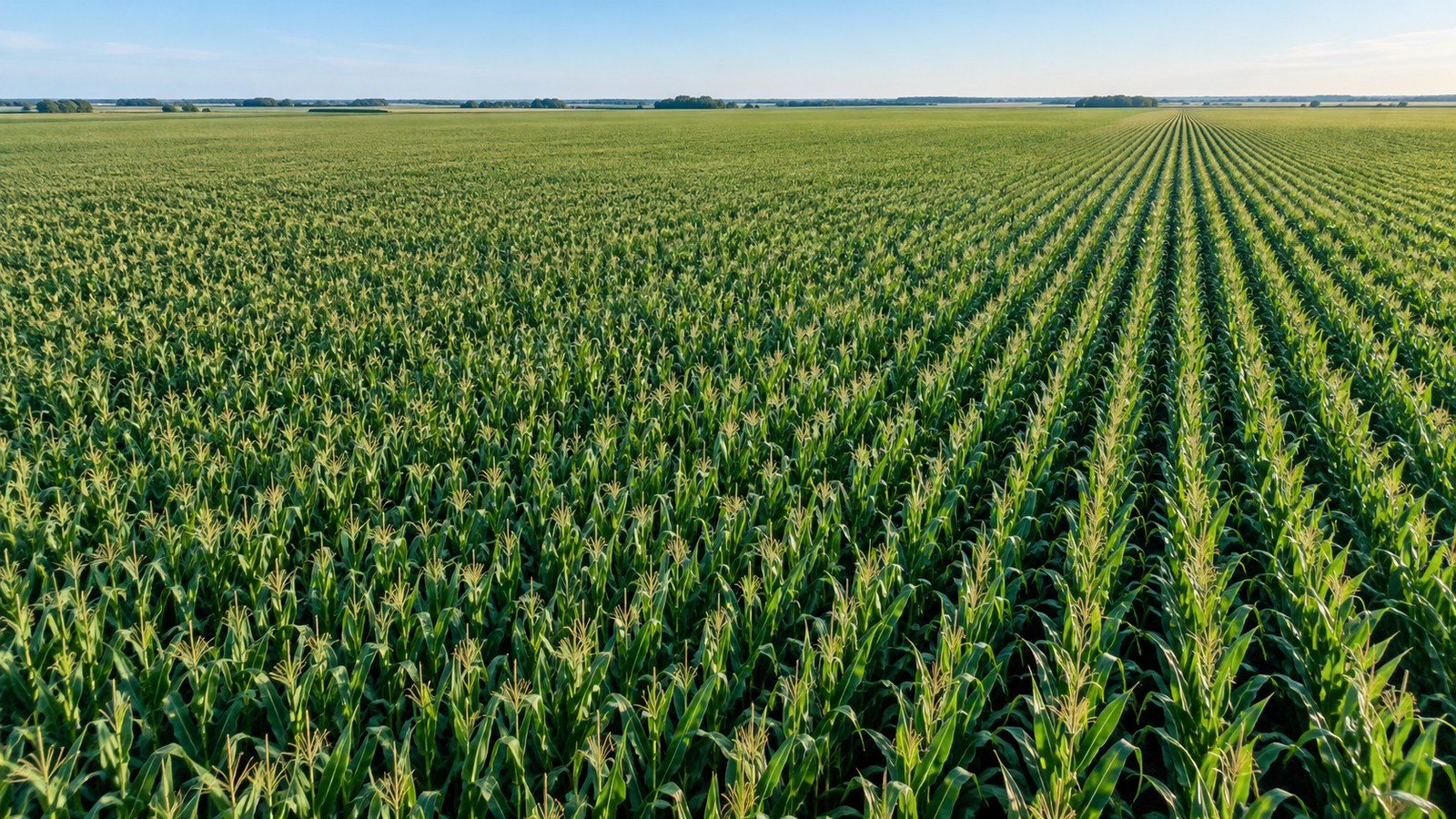
See your fields. Plan your water.
Bring monitoring and irrigation control together.
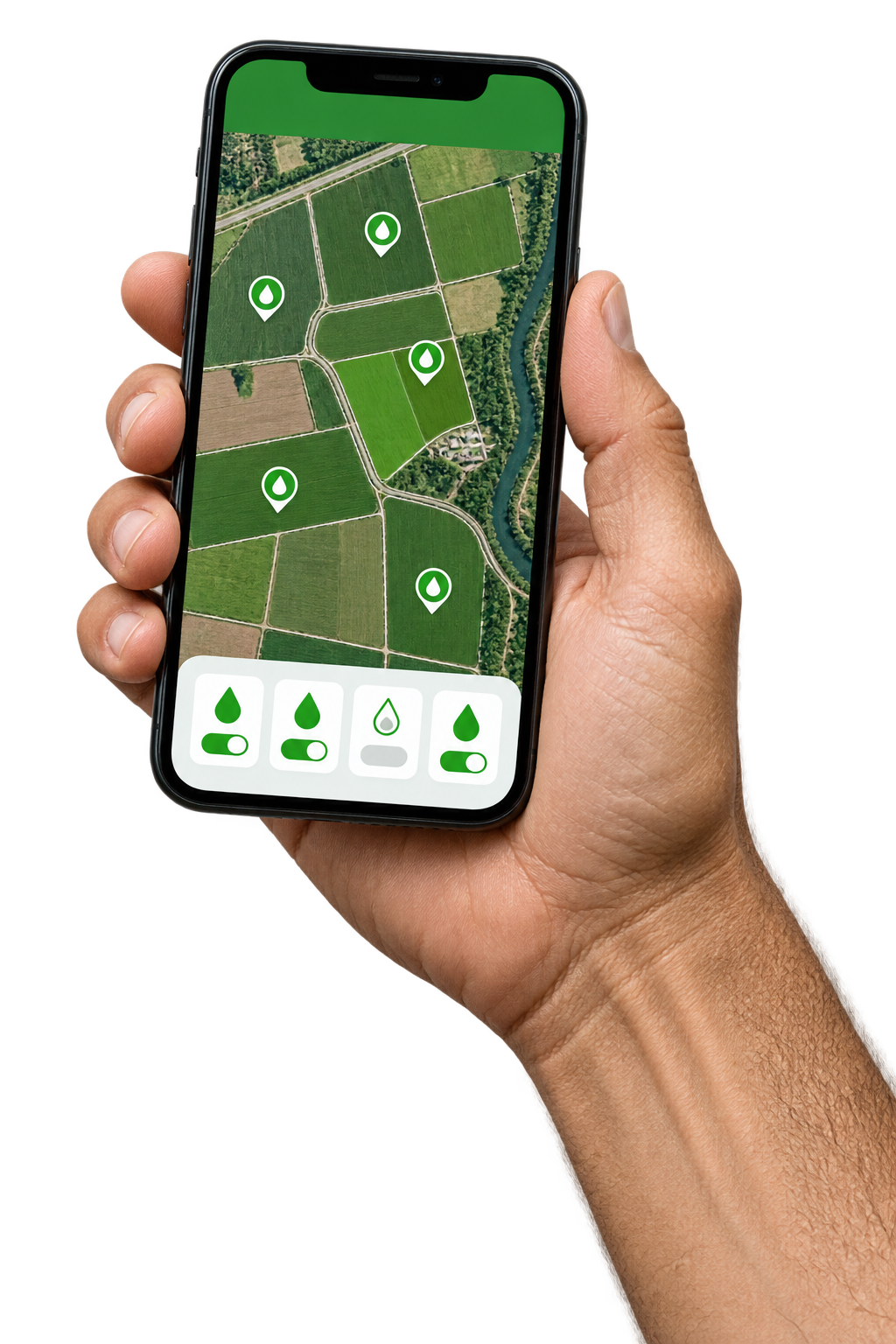 Illustrative interface
AI-generated cornfield with simulated aerial motion. Handheld-phone interface shown for illustration.
Connect field insights with everyday action. Support crop growth, use resources thoughtfully and make irrigation easier to manage.
Use soil and weather insights to plan irrigation around crop stages and respond to changing field conditions.
Explore field monitoringCoordinate water, nutrient delivery and pumping to help reduce unnecessary applications and repeat field visits.
Explore system planningTrack flow and irrigation activity. Compare against a baseline and investigate unexpected use over time.
Explore the farm viewBring zones, schedules and operating exceptions into a clearer routine, with compatible equipment and local controls.
Explore irrigation controlUnderstand what is happening in the field and how water moves through it. Explore the layers of a connected farm.
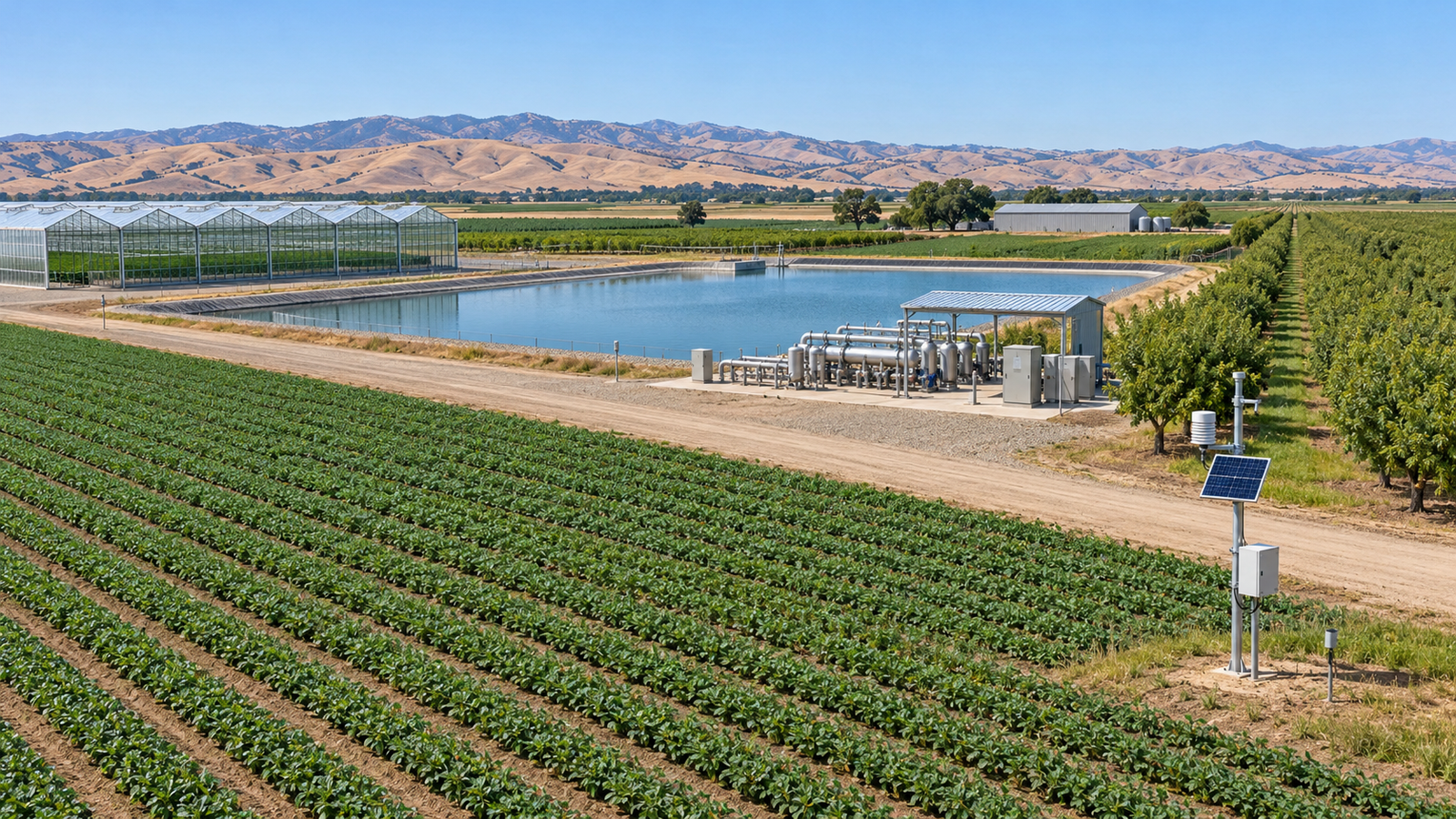
Bring soil moisture and local weather observations into irrigation planning. Define sensor placement around crop roots, soil variability and field exposure.
AI-generated farm concept. Interactive points explain proposed system roles, not actual installed equipment.
Choose a monitoring, irrigation or fertigation focus. Each starts with different site information and equipment requirements.
Combine relevant soil, weather and hydraulic measurements to see changing conditions. Start with the decisions you need to make, then choose the sensors that support them.
Concept workflow · Equipment and functions depend on configuration
Build from clearly defined components. Match measurement, control, power and communications to the conditions on site.
Explore the components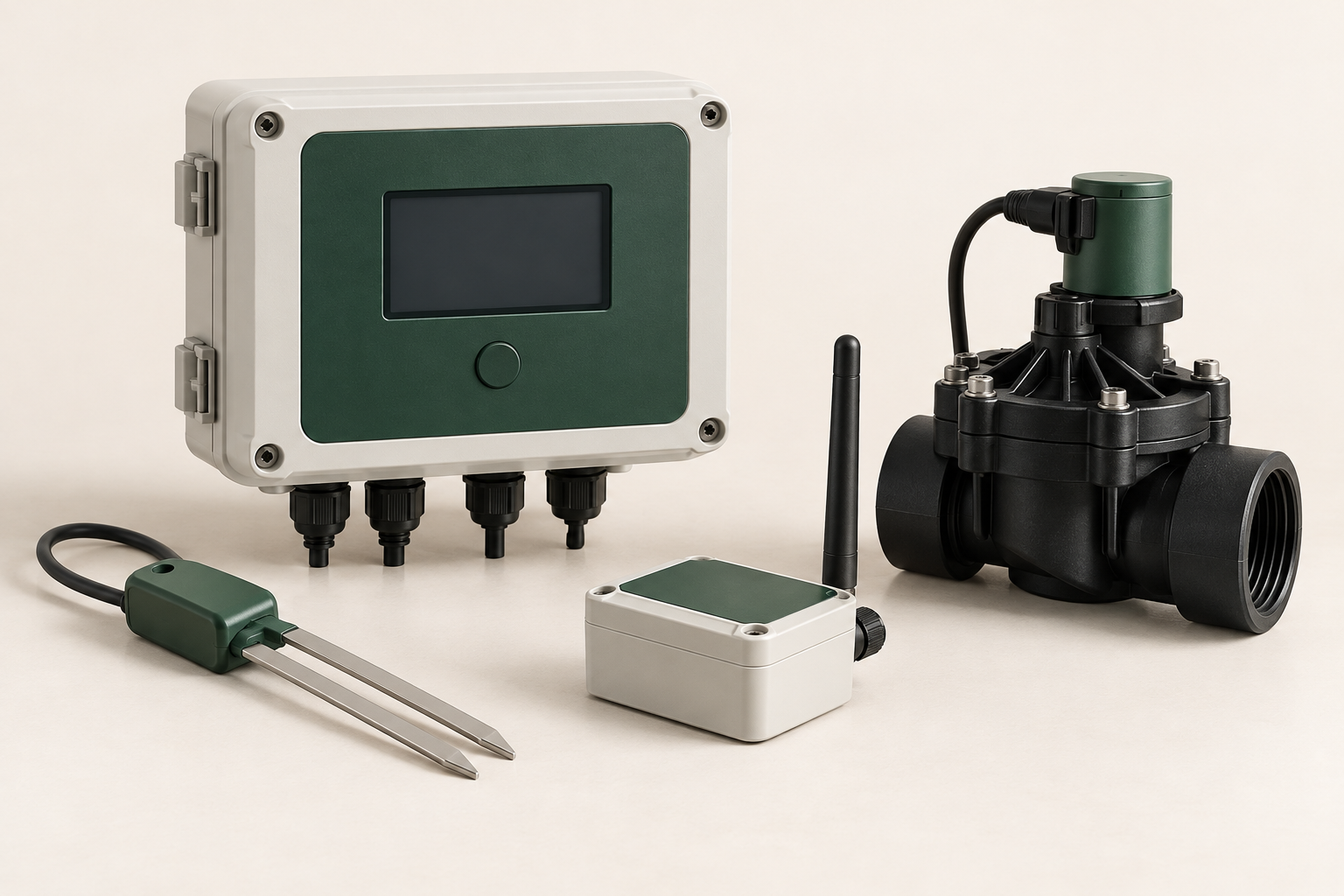
AI-generated equipment scenes for illustration. Replace with your own product and installation photos.
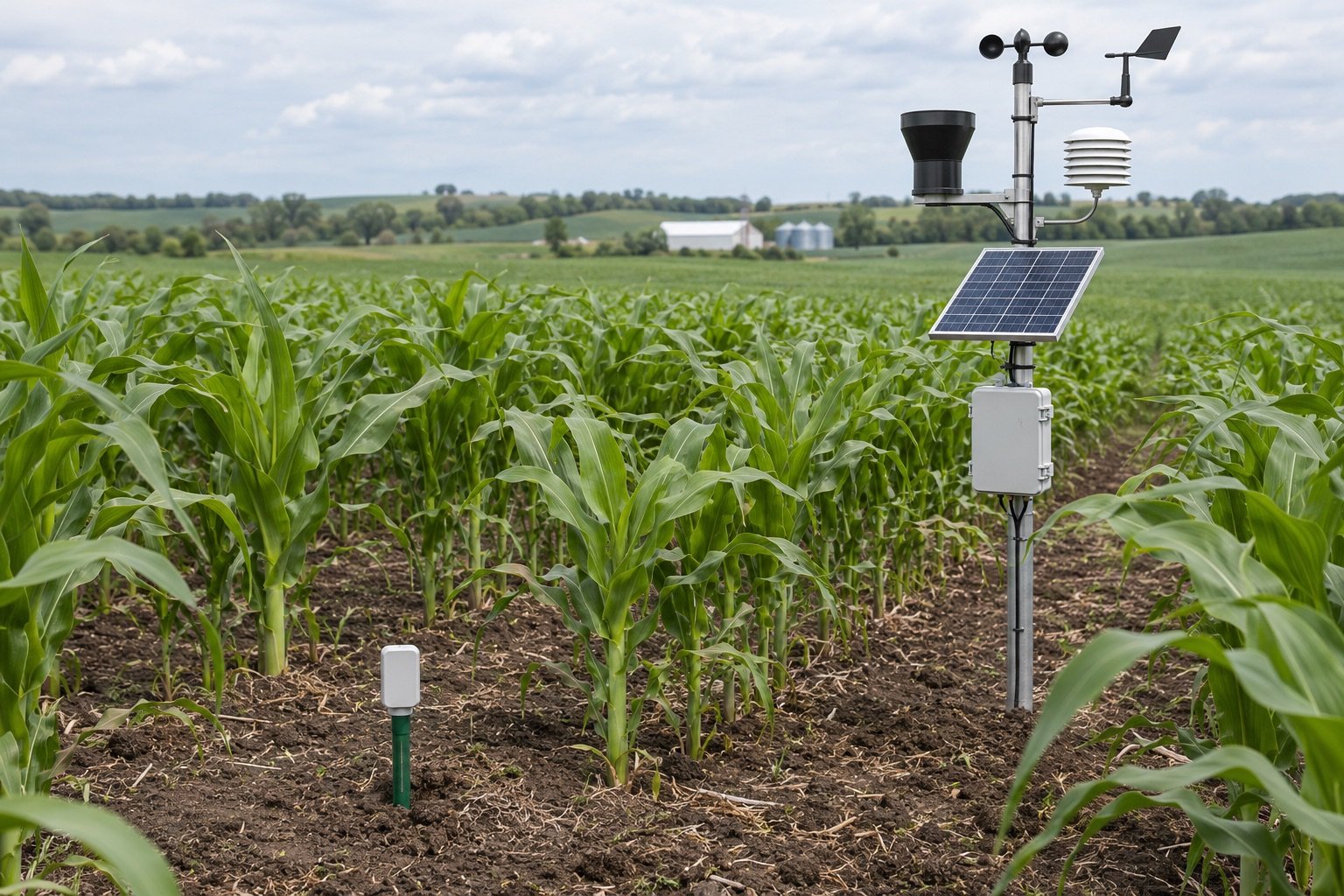 Monitoring
See the growing conditions.
Select by measurement, installation depth, calibration and environmental exposure.
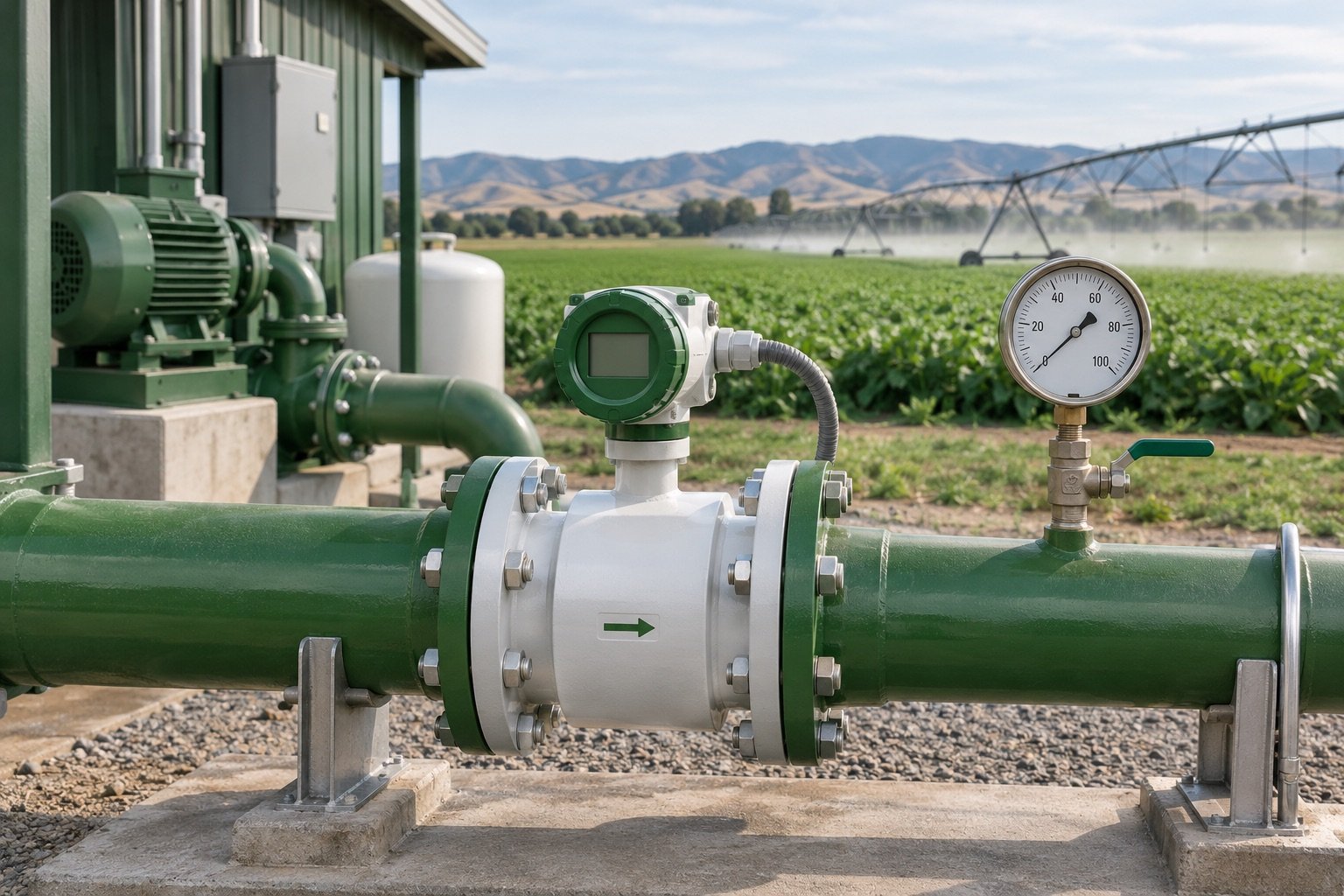 Monitoring
Understand the water path.
Define the range, installation point, water quality and measurement interface.
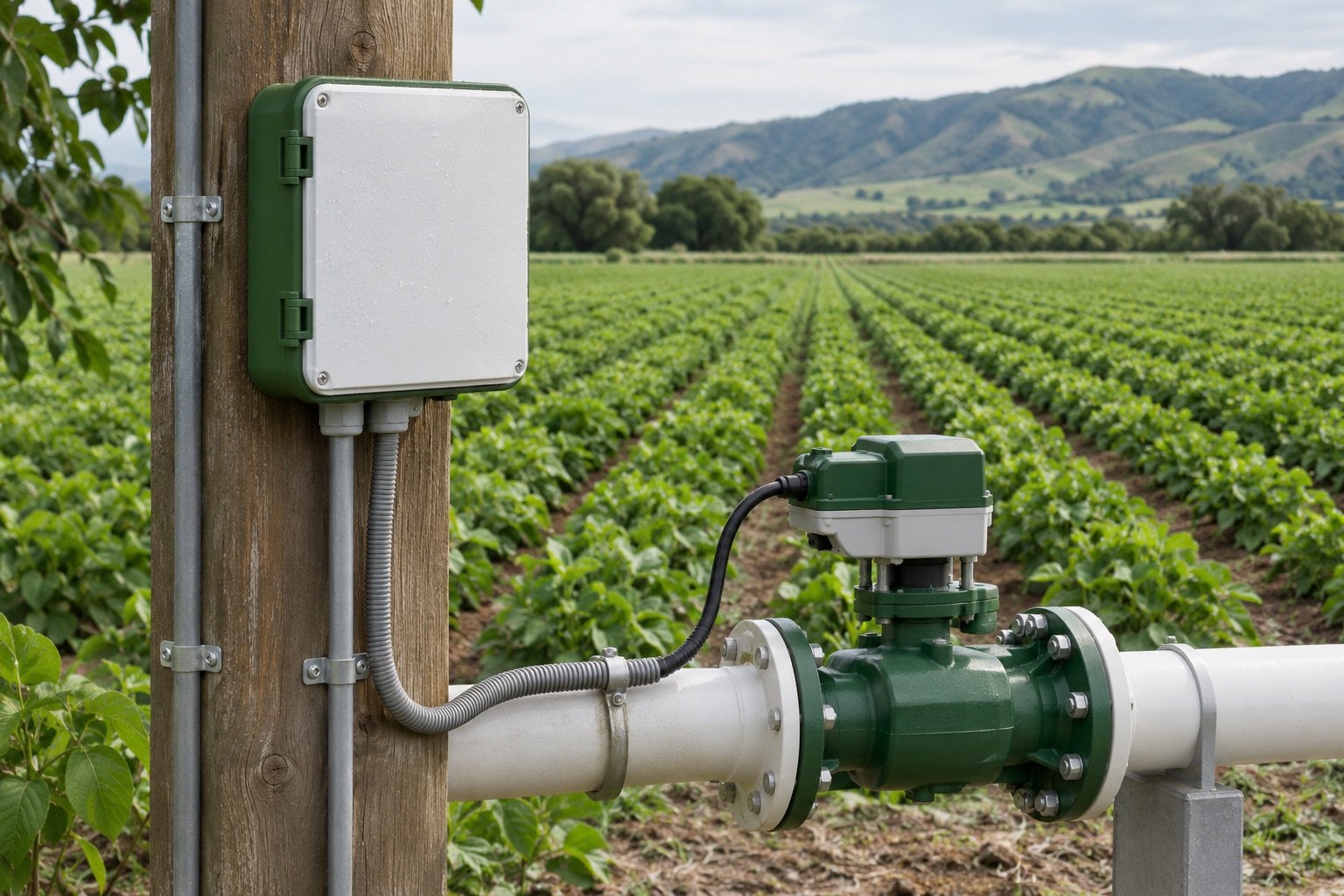 Control
Coordinate each irrigation zone.
Check outputs, actuation, supply voltage, pump interfaces and local operation.
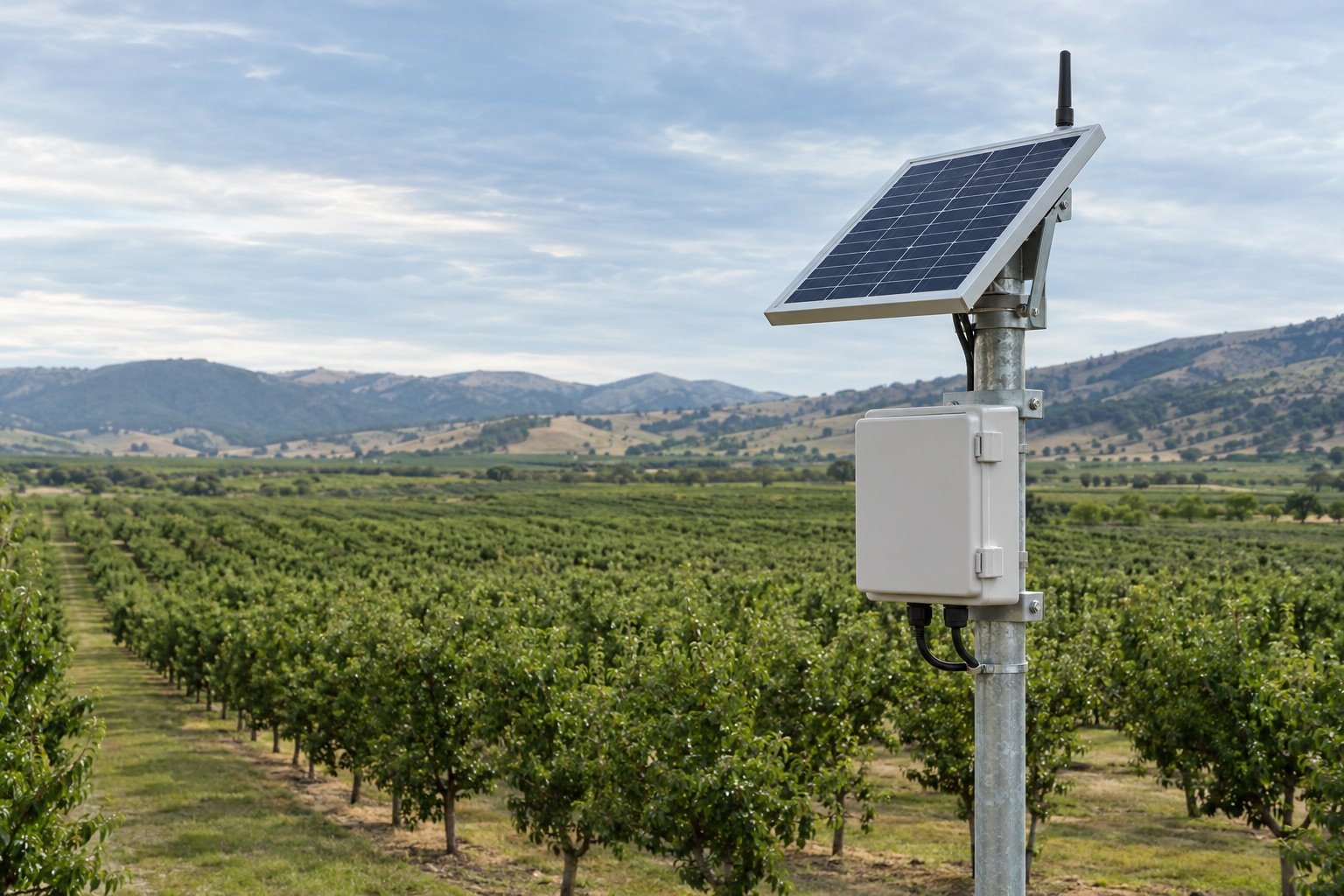 Connectivity
Connect the field equipment.
Review distance, obstacles, mobile coverage, data ownership and operating costs.
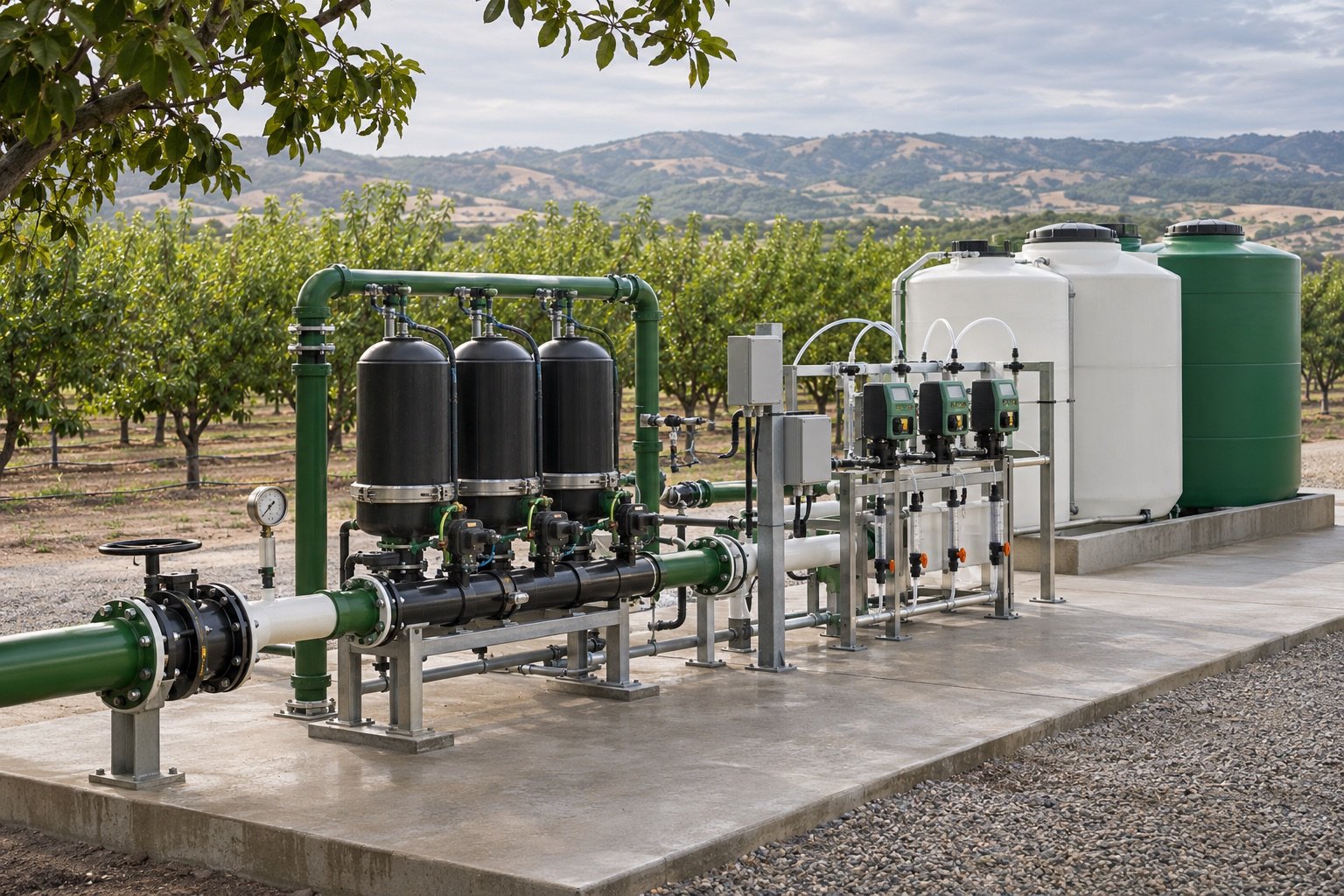 Water delivery
Prepare and deliver water and nutrients.
Match filtration and dosing to source water, hydraulic demand and crop requirements.
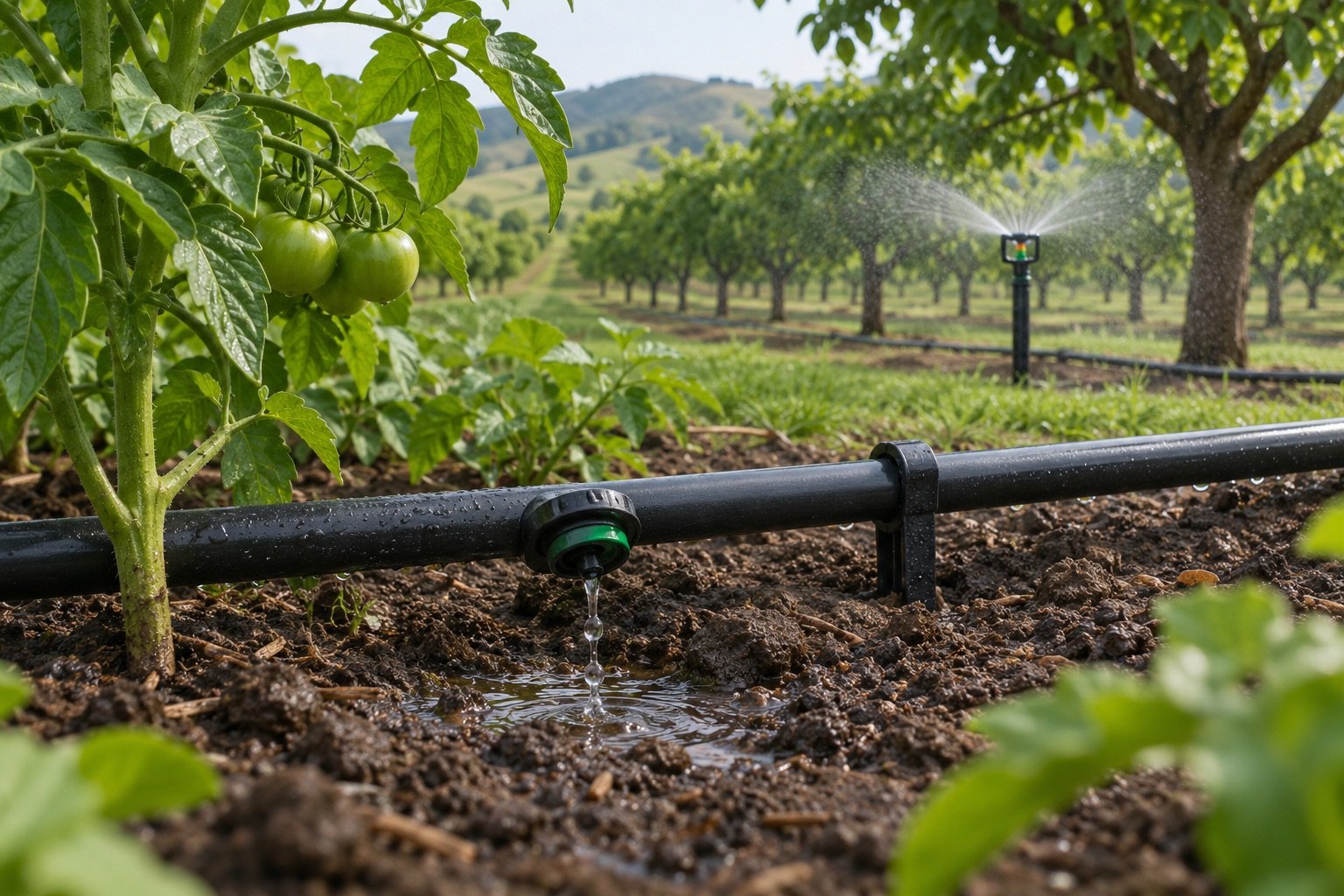 Water delivery
Bring water to the crop.
Choose emitter type, spacing and application rate through a hydraulic design.
Explore the monitoring layers that support irrigation across open fields and protected growing.
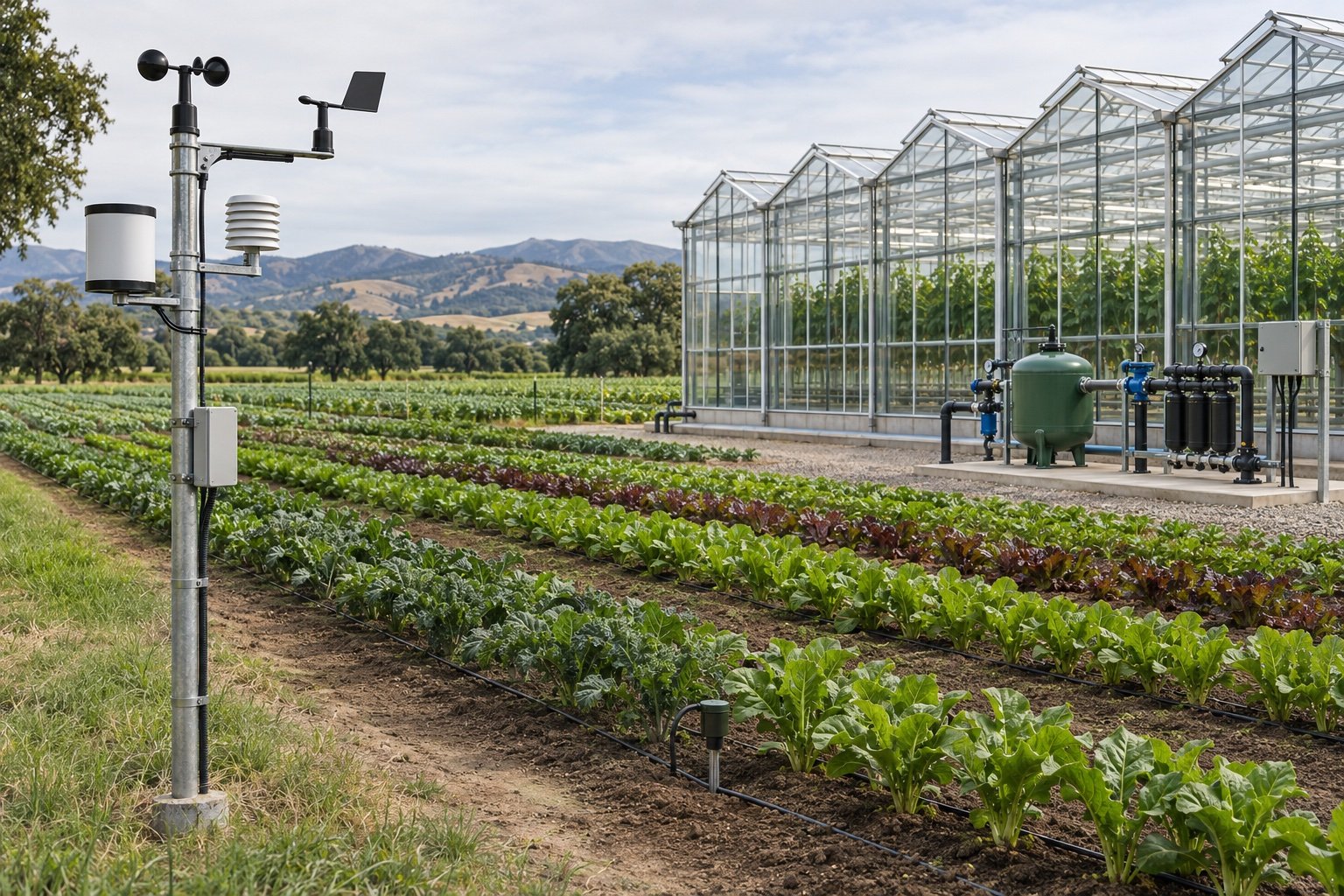
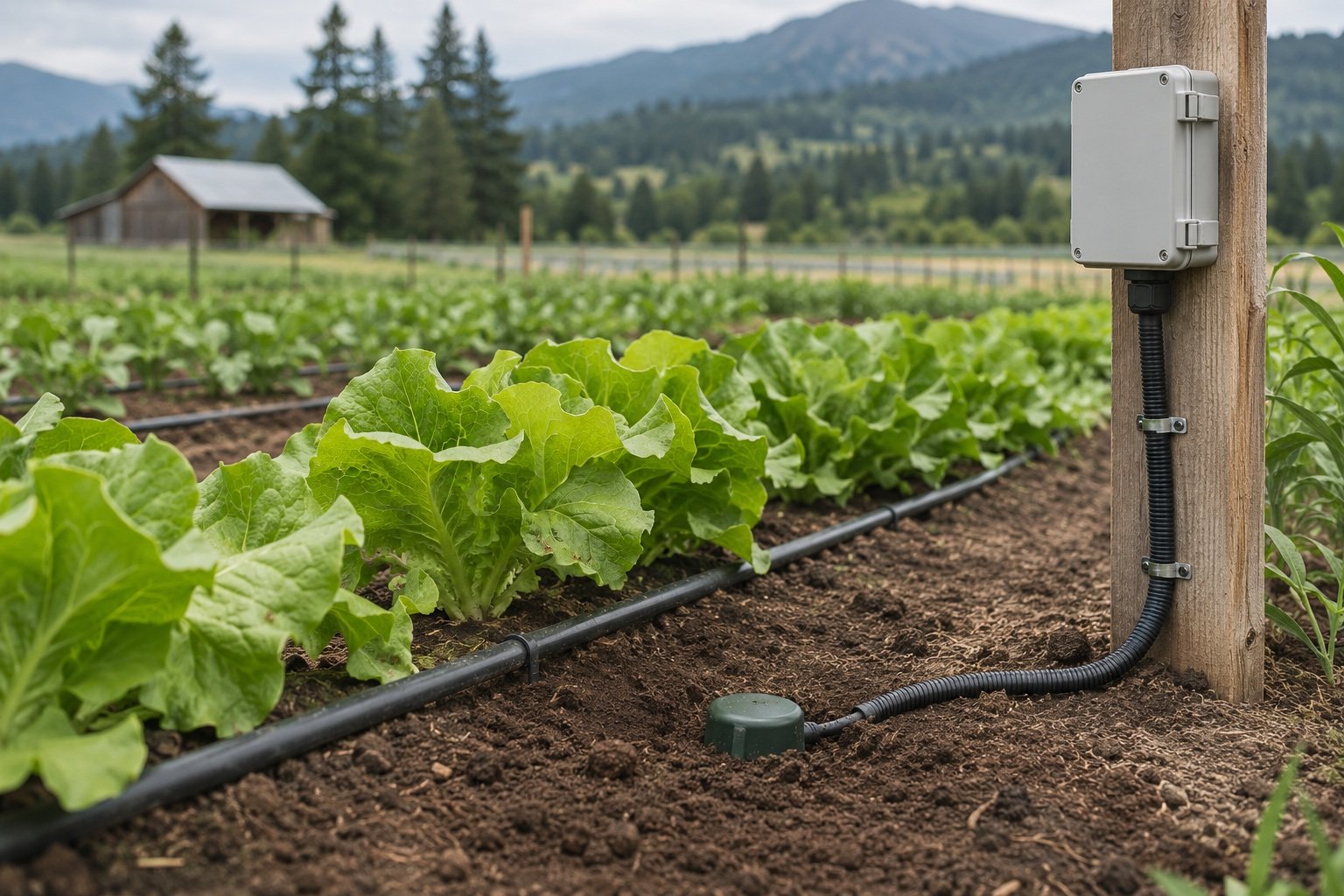
Observe soil conditions around the roots and choose measurements that support irrigation decisions.
Explore this area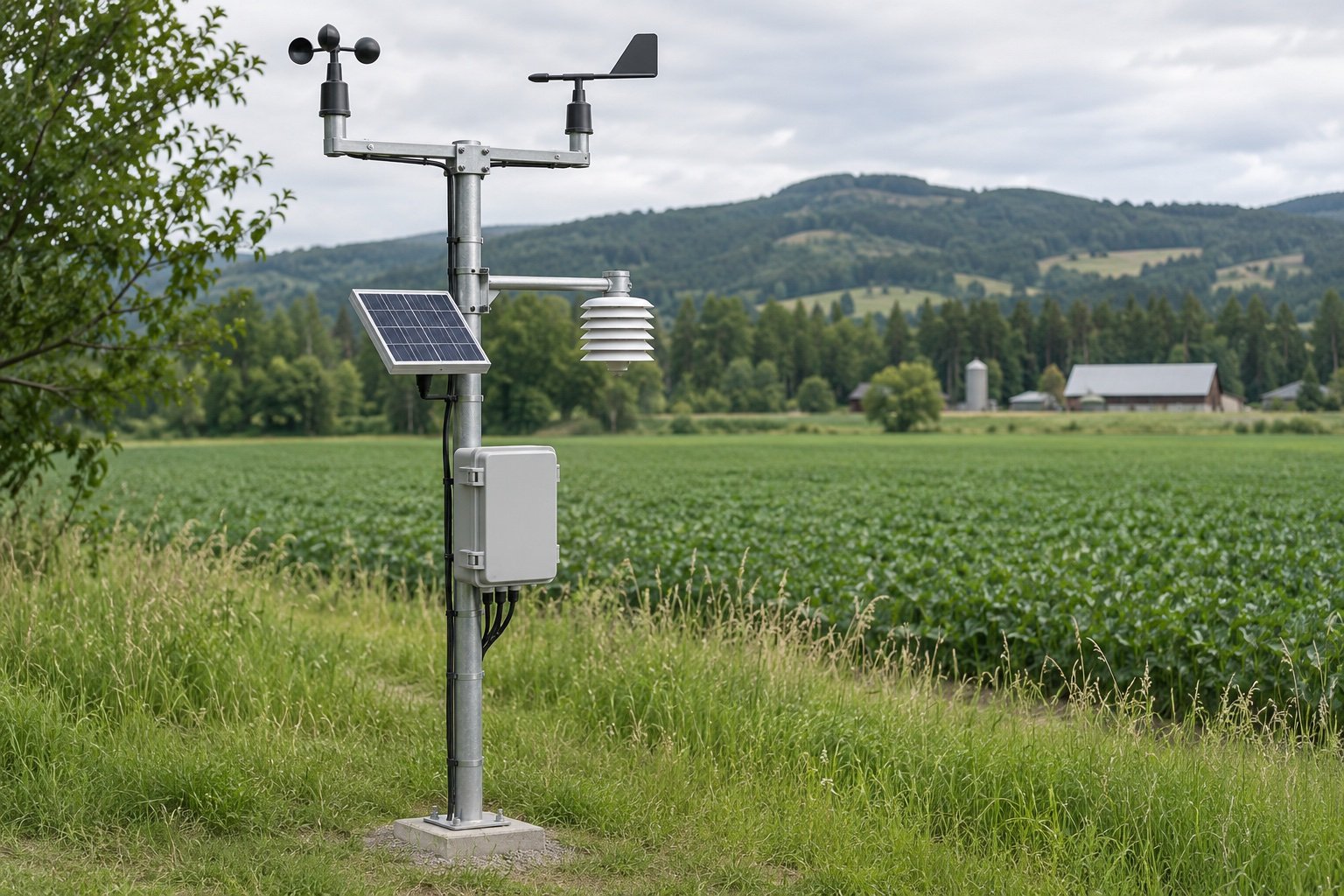
Bring rainfall, temperature, humidity and wind observations into field planning.
Explore this area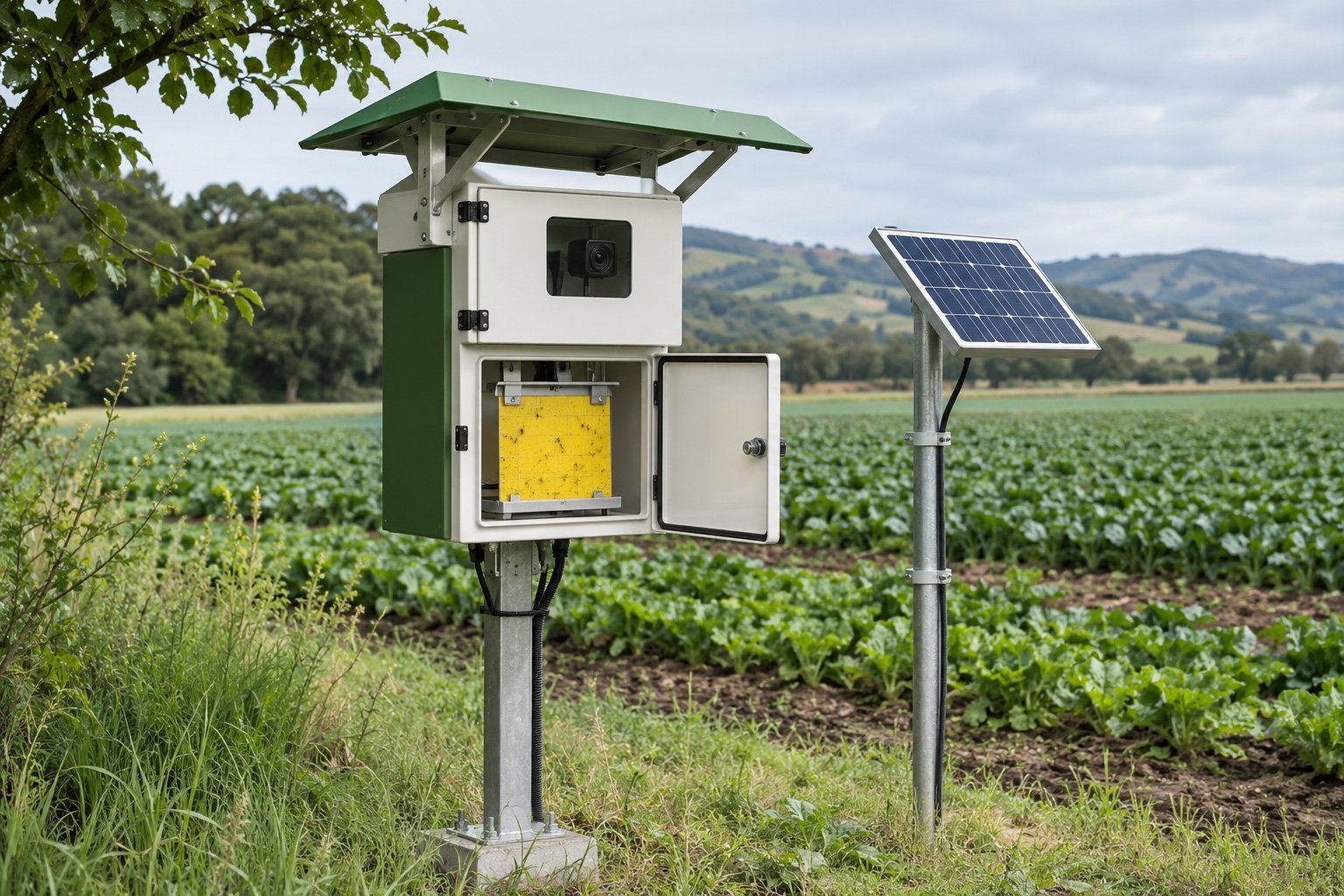
Explore pest monitoring alongside crop and environmental observations.
Explore this area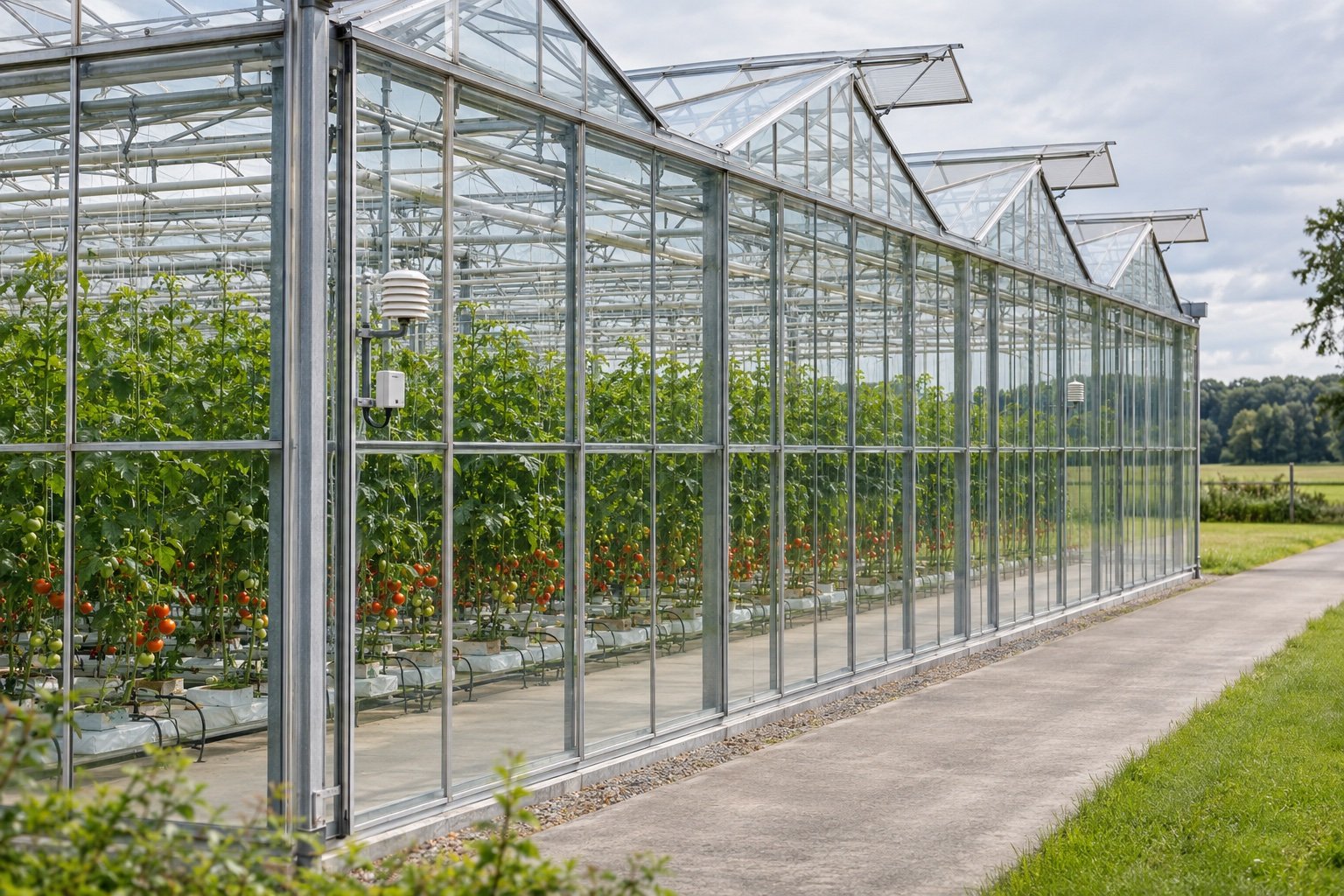
Plan irrigation and root-zone monitoring around the greenhouse growing environment.
Explore this area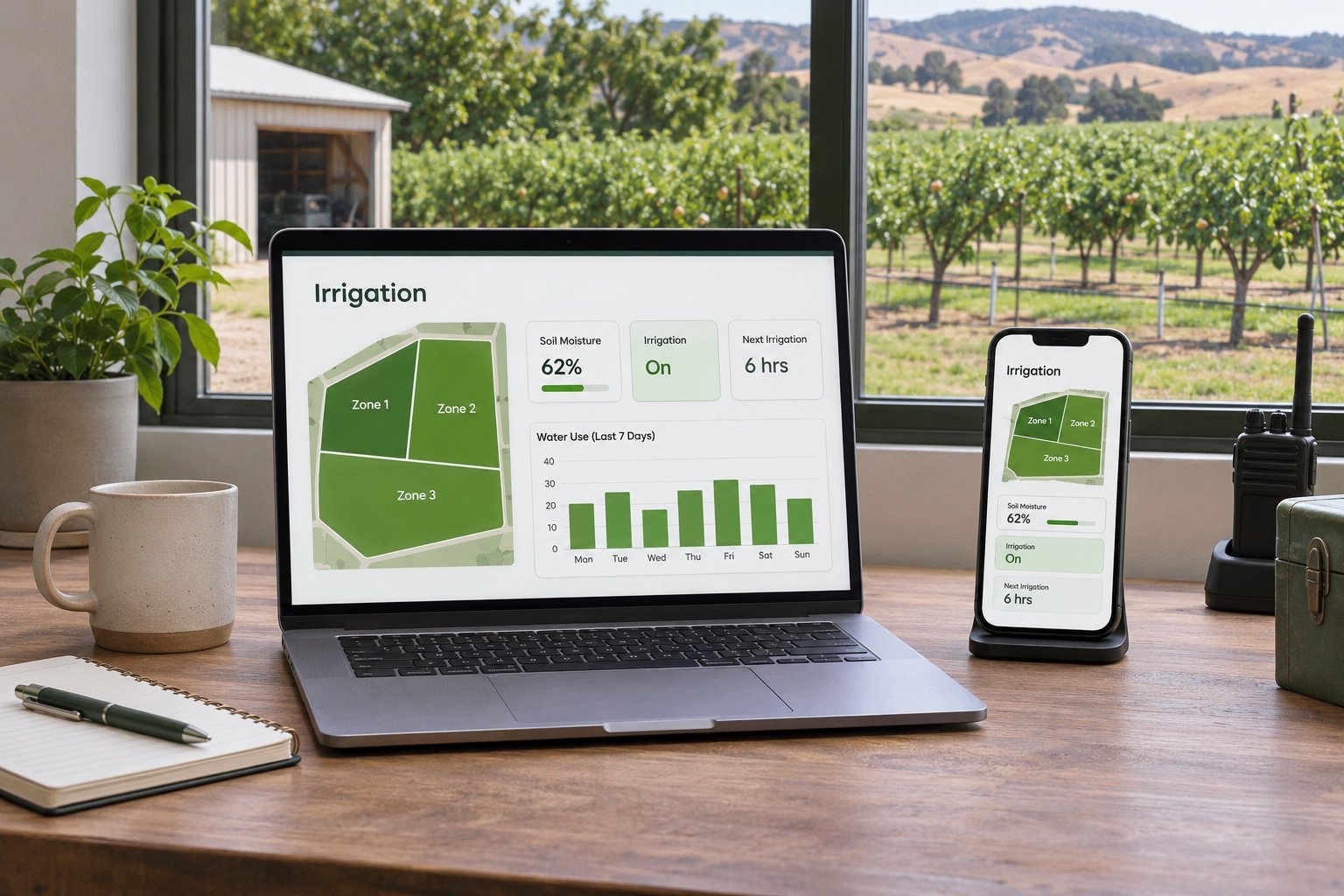
Connect field observations with a clear overview of zones, equipment and irrigation activity.
Explore this areaAI-generated equipment and interface concepts revised for this page. Final products and functions depend on the selected configuration.
Explore irrigation equipment, landscape products, crop monitoring and research instruments.
Reference products from the supplied Lingyun brochure. Temporary design content; not confirmed happydrips products or specifications.
Explore all 57 product familiesExplore a proposed management experience, from field overview to schedules, exceptions and activity records.
Interface concept
All content is illustrative
An example of how fields and equipment could be organized. No live farm data.
Platform design proposal. Include only the features supported by the final software and equipment.
From productive farmland to public green spaces and private gardens, start with the plants, the site and the way the space is used.
Plan around crop needs, water availability and growing conditions.
Coordinate crop rows, irrigation zones and a variable water supply.
Plan each block around root zones, terrain and seasonal crop needs.
Bring irrigation and nutrient delivery into the growing environment.
Balance plant care, everyday access and straightforward maintenance.
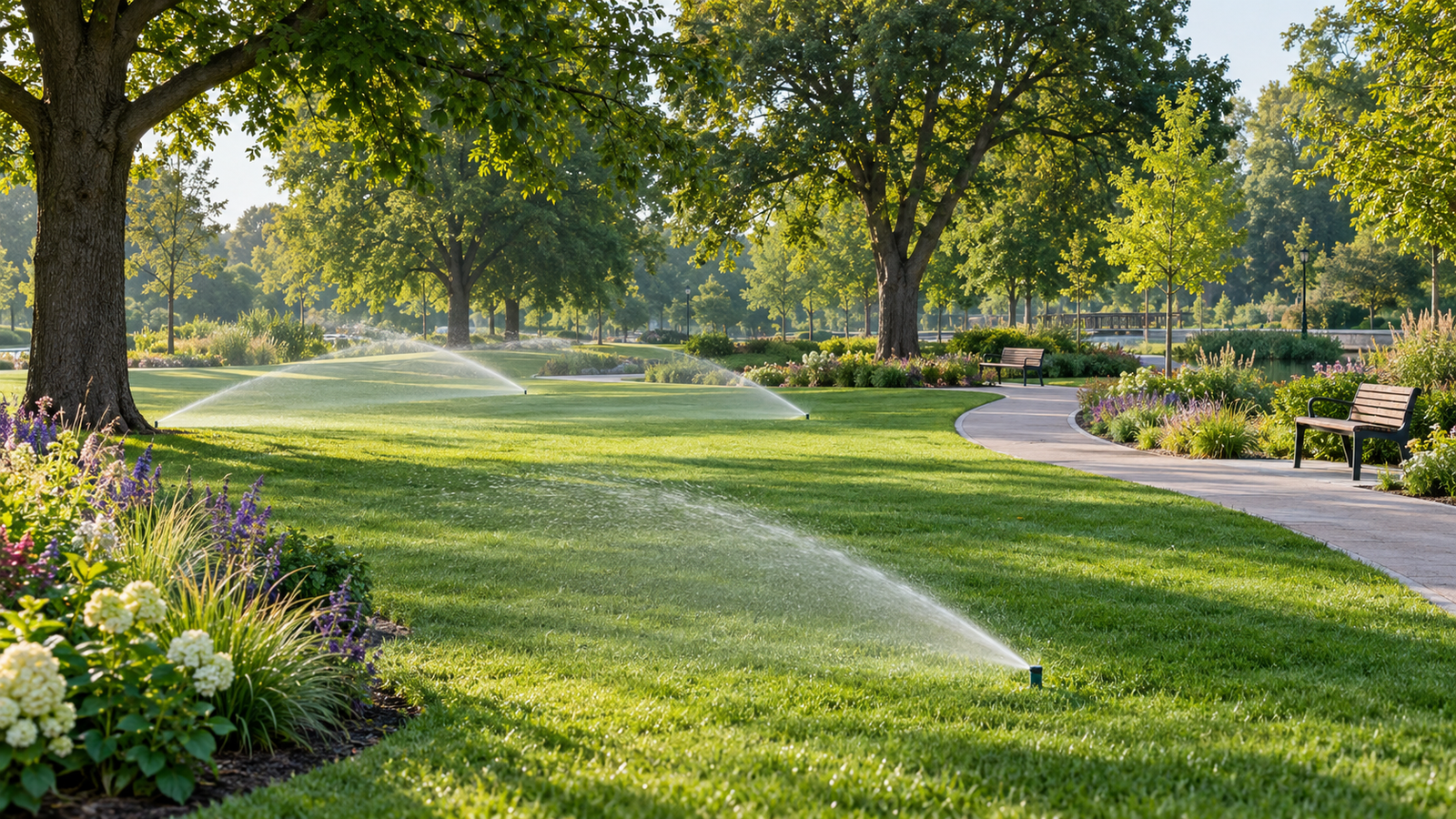
Plan irrigation for lawns, trees and planting beds while considering public access and maintenance routines.
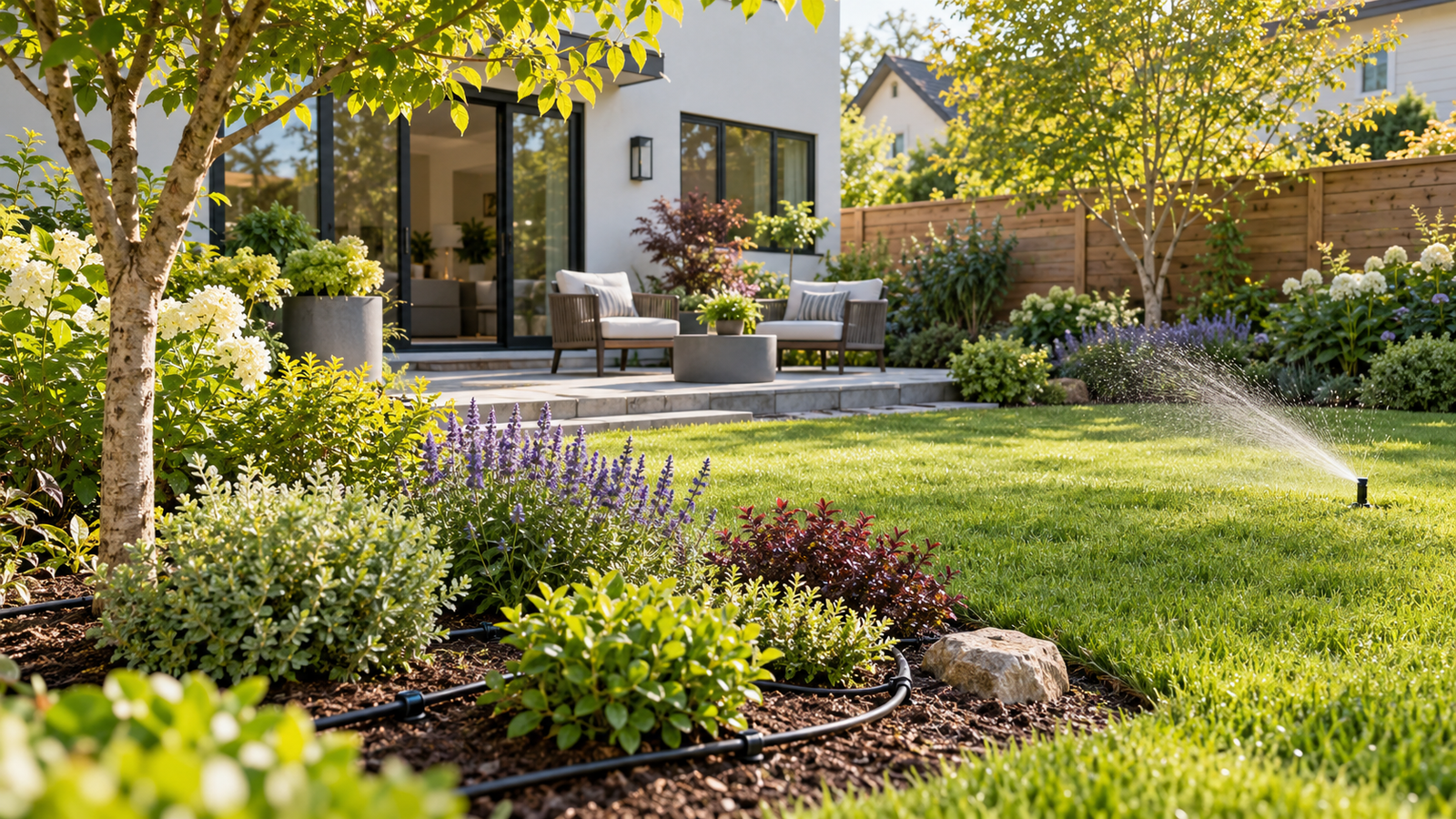
Create a practical watering plan for lawns, borders and garden beds, with controls suited to everyday home use.
Illustrative application concepts, not completed customer projects. Final equipment and functions depend on site assessment.
Connect monitoring, irrigation planning and compatible controls to make more deliberate use of water, energy and operator time.
Discuss your irrigation goalsA practical design needs more than connected devices. Agree on the site conditions, interfaces and operating responsibilities from the start.
Water source, crop, field layout and connectivity shape the equipment selection.
Define what is monitored, what is controlled and where operator approval is required.
Assess existing pumps, valves and pipework before deciding what to replace.
A proposed project acceptance checklist
A clear implementation path keeps design, installation and farm operation connected.
Crop, field area, water source, current equipment and operating priorities.
Layout, hydraulics, device selection, communications and control scope.
Agree installation responsibilities and verify the selected functions on site.
Confirm training, documentation, maintenance and the support route.
Proposed project workflow. Service scope and regional delivery responsibilities require confirmation.
Start with a practical system brief, operator needs and a clear maintenance plan.
Plan your farm systemDefine interfaces, drawings, component responsibilities and commissioning requirements.
Discuss project integrationPractical planning notes for a connected irrigation project.
Water & hydraulicsMeasure available flow and operating pressure. Record seasonal supply changes and test water quality before choosing filtration.
Collect flow and pressure under operating conditions, not just static readings. Identify sand, suspended solids and chemical conditions that may affect filtration, emitters and dosing. Share the results with the system designer.
Control & connectivityDistance alone does not define coverage. Consider obstacles, power, antenna location and the need for local operation.
Survey the actual device locations. Document available mobile coverage and power sources. Define the system’s safe behavior when remote access is lost, and confirm the operator can inspect and control agreed functions locally.
Existing equipmentRecord the pumps, valves, pipe network and control interfaces already installed. Start with the most useful improvements.
Create an equipment list with model, voltage, actuation method and available signals. Check condition and compatibility before specifying remote control. An initial monitoring stage can help establish a baseline before wider automation.
Install suitable probes in representative root zones. Consider depth, soil variability and the wetted area. Soil moisture, temperature and electrical conductivity require the appropriate sensor and calibration.
Start with an assessment of pumps, valves, wiring, hydraulic capacity and control interfaces. The suitable upgrade path depends on the condition and compatibility of the equipment already installed.
Start by separating lawns, trees and planting beds into suitable zones. Choose sprinklers or drip equipment for each area, then assess scheduling, rain or moisture sensing, and manual operation. Public spaces also need watering windows suited to access and maintenance.
They can be planned as separate stages. Define the measurements first, then assess which existing equipment can support the intended control functions.
Fertigation requires compatible dosing, filtration and control equipment selected for the crop, water quality and hydraulic conditions. EC/pH control is a separate capability that must be confirmed for the chosen equipment.
Behavior depends on the controller and communication design. Local operation, stored schedules, alarms and restart behavior should be agreed and verified before handover.
These can be assessed as optional project interfaces. Solar sizing requires a load and autonomy calculation; greenhouse integration depends on equipment protocols and control responsibilities.
Establish a baseline and compare water use over an appropriate period, accounting for crop, area, weather and operating conditions. A single saving percentage cannot be promised for every farm.
Tell us about your farm, park or garden. Start with your priorities, and prepare a useful brief for an irrigation project conversation.